
~ 17 min read
The Practical Second Brain: Building an LLM-Operated Markdown Knowledge Graph
A hands-on guide to the files, schemas, workflows, governance, and maintenance routines behind an AI-assisted second brain.
A hands-on guide to the files, schemas, workflows, governance, and maintenance routines behind an AI-assisted second brain.

How a plain-Markdown knowledge graph becomes a durable context layer, operating system, and compounding productivity tool for AI-assisted work.

LLMs and coding agents amplify developer capability but they do not substitute for it. Engineering experience determines whether you steer these tools toward sound architecture or blindly accept generated output that drifts from your conventions.

Prompt injection is not a bug you patch but an architectural limit baked into how LLMs process language. This post traces the problem from Gödel and Hofstadter to modern jailbreaks, agent skill supply chains, and why defenders must shift from elimination to survivability.

For those familiar with RESTful HTTP architecture, would it make sense to describe the Model Context Protocol (MCP) in a similar way?
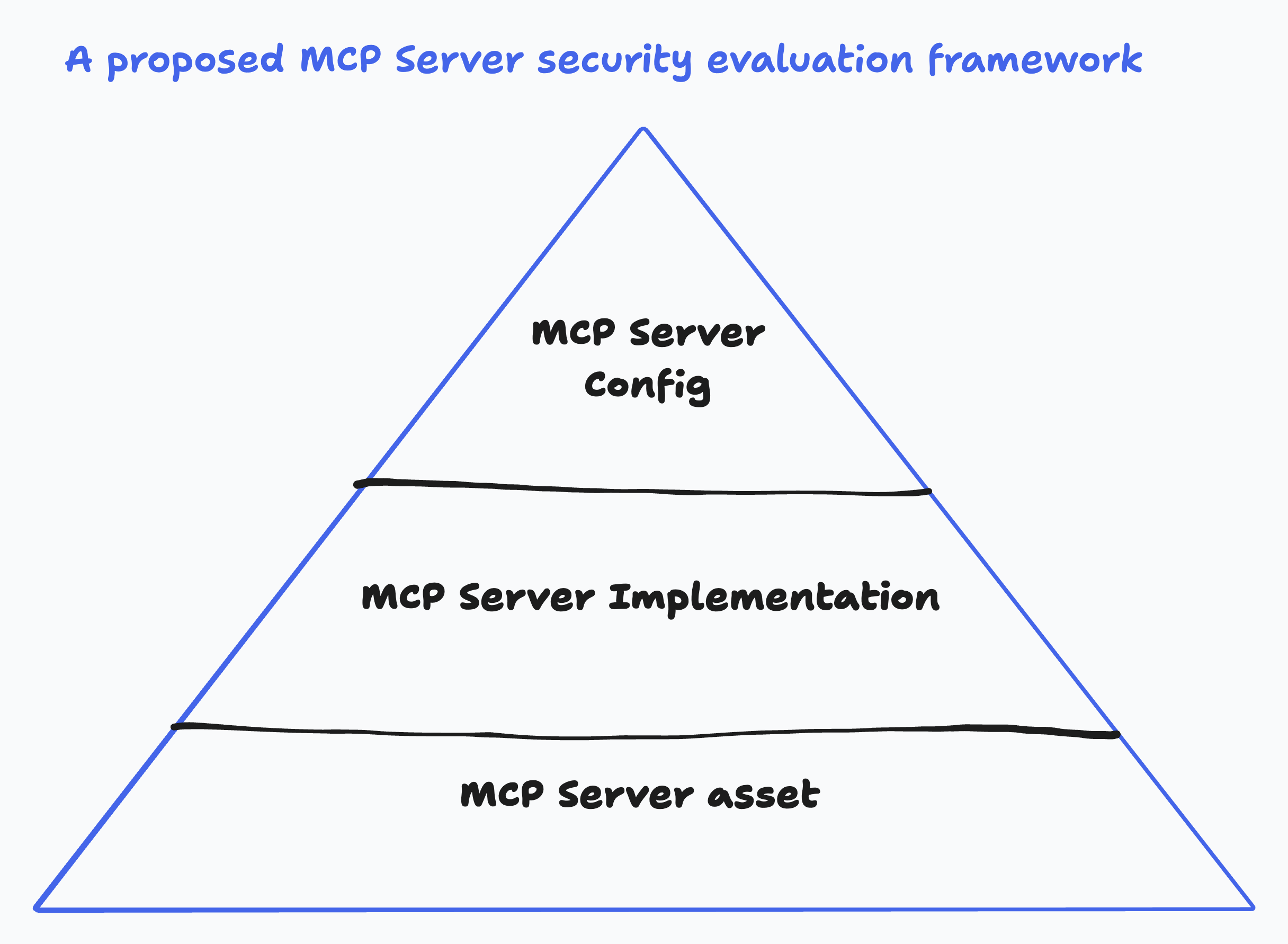
How do you securely integrate a new MCP Server into Cursor or other agentic workflows? what security practices do you consider to evaluate the risks?
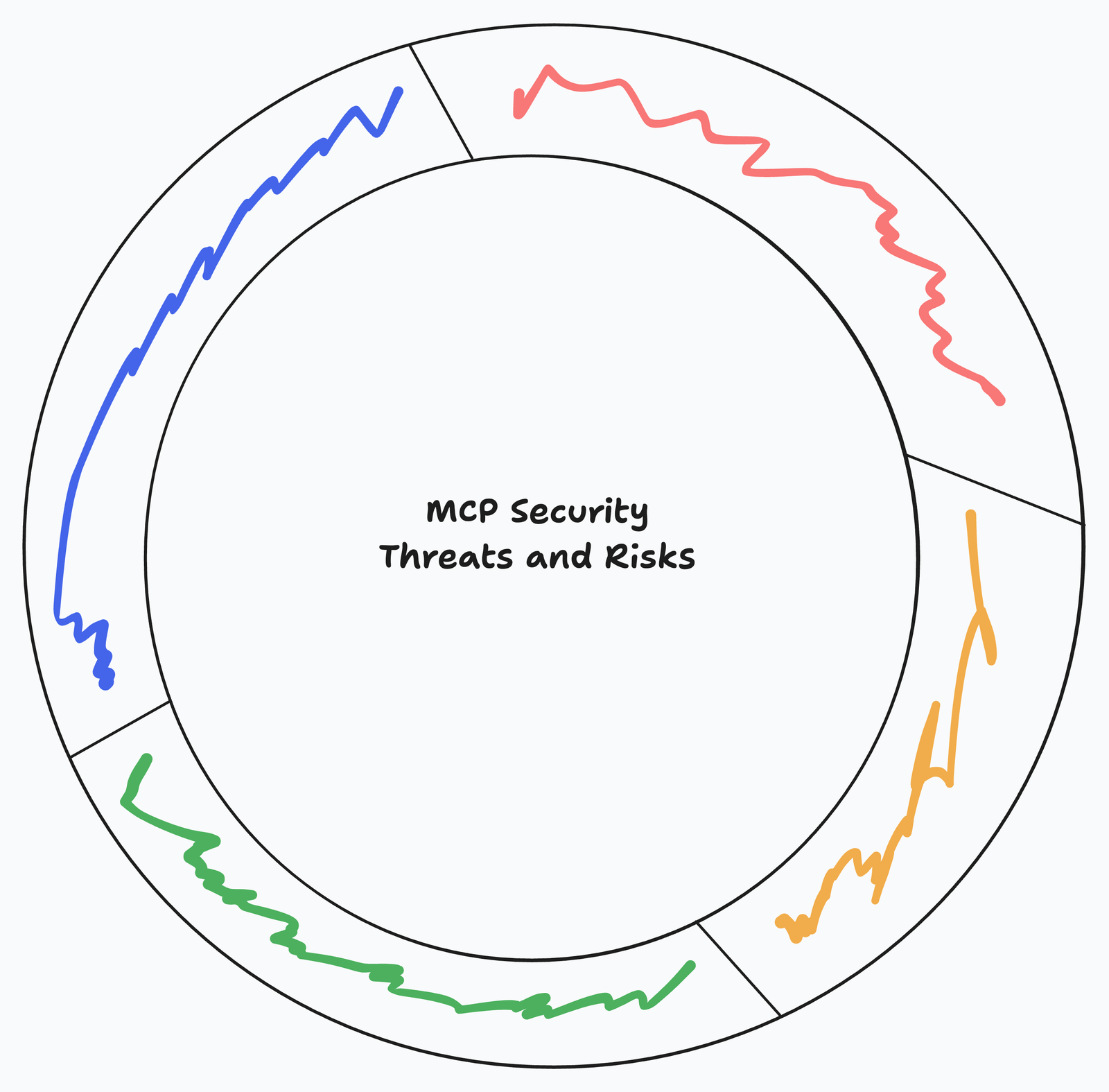
How to evaluate and categorize security threats and risks associated with Model Code Protocol (MCP) in light of recent security incidents.

A breakdown of the Cursor + Jira MCP 0-Click attack, how it was exploited, and why developers are at the center of it all. Understanding MCPs, Toxic Flows, and the implications for AI-assisted coding environments.

The Model Context Protocol (MCP) is gaining traction in the AI community, and with its rise comes a wave of security research. This article explores the emerging security landscape surrounding MCP, highlighting key vulnerabilities and the importance of robust security measures in this evolving protocol.
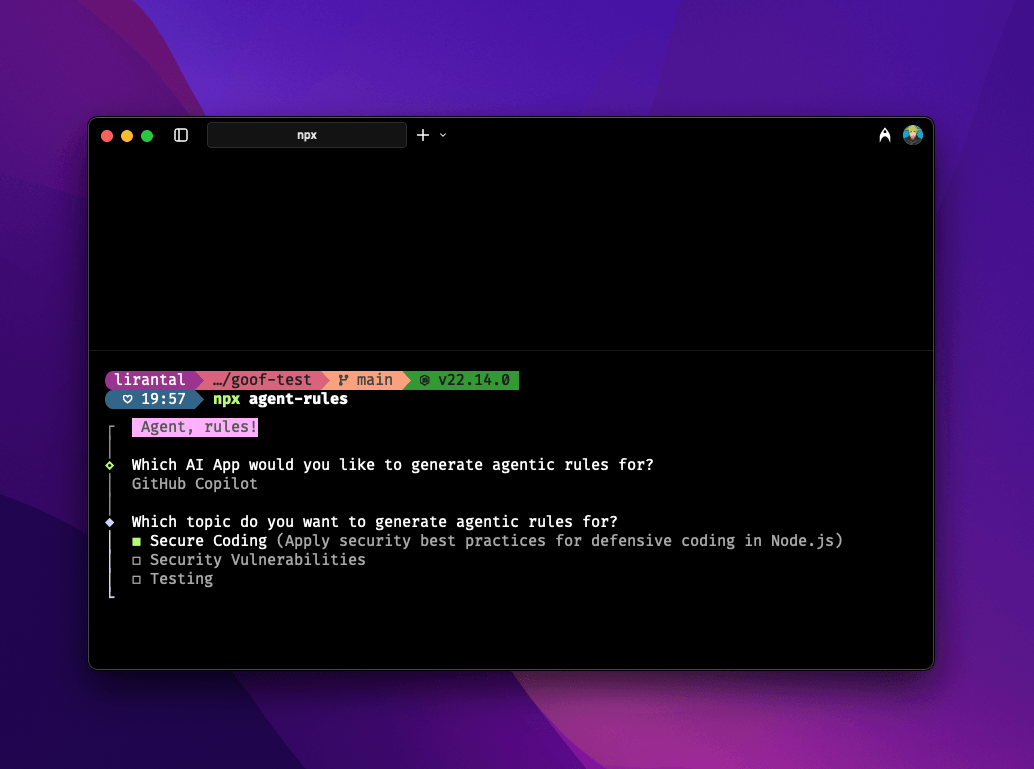
How agent-rules open source project is helping create consistent and deterministic security in AI coding assistants.

Ever wanted to automate the process of evaluating hundreds of conference Call for Papers (CFP) submissions? Here's how I built an AI-powered CFP evaluation system using Mastra AI agents to streamline the review process while maintaining quality and consistency.

Agentic marketing is going to be the next marketing transformation that product marketers and growth teams need to embrace to stay ahead of the curve. This paradigm shift is set to revolutionize the way businesses engage with their audience.

If you're in Developer Relations and you haven't yet adapted your practices to the post-GPT era, you might be missing out on the next big thing in developer tools. In this write-up, I want to unpack what AI-first developer relations practices look like and specifically draw a direct line to developer tool companies that aim to be AI-first.

With great MCP power comes great MCP responsibility and you should be prepared to evaluate the security of your MCP server implementation and MCP adoption in your AI agents.

How zero-trust environments can leverage AI agents and agentic workflows without compromising security and trust.
With agentic workflows like Claude Code executing commands, applications, debugging and self-healing, how do you optimize your application for it to be most successfully instructed by AI agents?

Explore the 5 pillars of Augmented Agentic Software Development to enhance your AI coding workflows. Learn how to leverage agent system instructions, spec-driven development, MCP servers, and agent memory to get the most out of tools like Gemini CLI and Claude Code.

Agentic coding assistants in the forms of IDE extensions are becoming increasingly popular among developers but they're likely just a milestone in the evolution of LLM-powered software engineering which will truly be AI-native. In this article, I want to unpack some AI-centric trends in software development and lean in to the future of what they would translate to in terms of the role of an engineer.

Model Context Protocol (MCP) is a great protocol but if your company is built around it as the core product, you're not gonna make it. Here's why.

Running agentic AI workflows with the Qodo Command CLI is a powerful way to automate tasks but what's even cooler is that you can also automate the whole fine-tuning of the agentic workflow process itself USING THE AGENT!
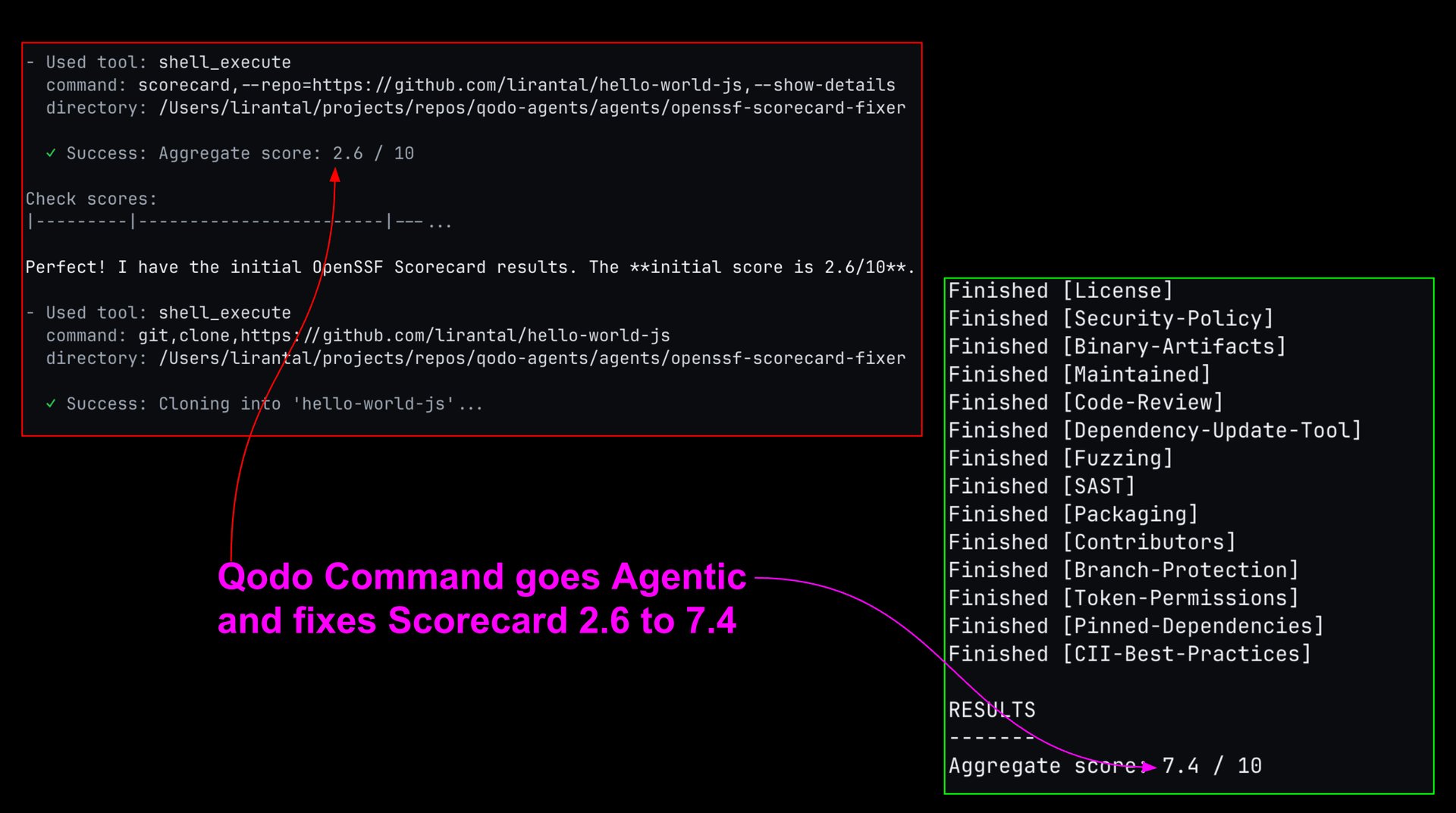
Getting a security report for security vulnerabilities and misconfiguration issues of your GitHub project is a good start but can we leverage AI to also remediate all of these issues automatically through agentic workflow? Yes and I will show you how I do that with Qodo CLI Agentic Workflow

Developer Advocates and Engineers can leverage Generative AI to speed up their work and make them more productive. Here's a practical example from my day-to-day.

Building with Large Language Models (LLMs) requires context and metadata. The `llms.txt` file format is a simple text file that provides LLMs with relevant context and metadata.